
Introduction
Children are not simply smaller versions of adults. Their bodies are undergoing rapid growth and development, which means their nutritional requirements are fundamentally different. From brain development and bone growth to immune maturation and metabolic regulation, childhood represents one of the most nutritionally demanding phases of human life.
During these formative years, nutrition plays a crucial role in shaping physical growth, cognitive development, emotional regulation, and long-term health outcomes. Understanding how children’s nutritional needs differ from adults helps parents, caregivers, and health professionals provide more appropriate and supportive nourishment.
1. Rapid Brain Development Requires Specialized Nutrients

One of the most remarkable processes during childhood is rapid brain development. By the age of five, a child’s brain reaches nearly 90% of its adult size.
During this period, the brain forms millions of neural connections that influence learning, memory, attention, and emotional regulation. Certain nutrients play a critical role in supporting this process.
Important nutrients for brain development include:
-
Omega-3 fatty acids (DHA) – support neuronal structure and cognitive development
-
Iron – essential for oxygen transport and cognitive performance
-
Zinc – supports neural communication and immune function
-
Choline – contributes to brain cell membrane formation and neurotransmitter synthesis
-
B-vitamins – support energy metabolism in the brain
Because the developing brain consumes a large proportion of the body's energy, children often require higher nutrient density relative to body weight compared with adults.
2. Growth and Skeletal Development

Childhood and adolescence are periods of rapid physical growth. Bones lengthen, muscles develop, and tissues expand as the body prepares for adulthood.
Nutrients that play key roles in skeletal and physical development include:
-
Calcium – critical for bone mineralization
-
Vitamin D – supports calcium absorption and bone formation
-
Protein – provides building blocks for muscle and tissue growth
-
Magnesium and phosphorus – contribute to bone structure and metabolic processes
Peak bone mass is largely established during childhood and adolescence, meaning nutrition during these years can influence bone health later in life.
3. Higher Metabolic Demands
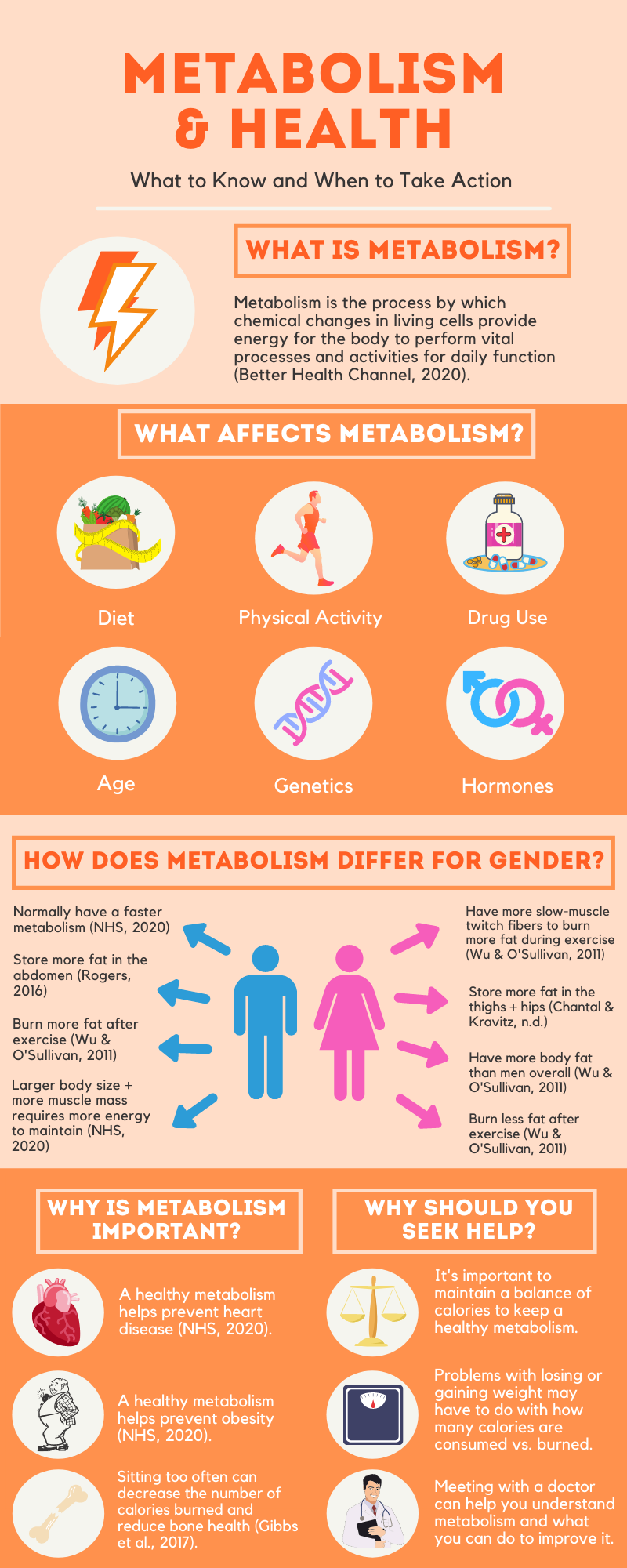
Children often have higher metabolic demands relative to their body size than adults. Their bodies must support not only daily activity but also ongoing growth and development.
Key metabolic characteristics of children include:
-
Higher energy requirements per kilogram of body weight
-
Greater need for protein to support tissue development
-
Higher demand for micronutrients supporting metabolic pathways
-
Greater sensitivity to nutrient deficiencies
This means that simply reducing adult portion sizes does not necessarily meet a child’s nutritional needs. Instead, children benefit from nutrient-dense foods that provide balanced nourishment.
4. Immune System Development
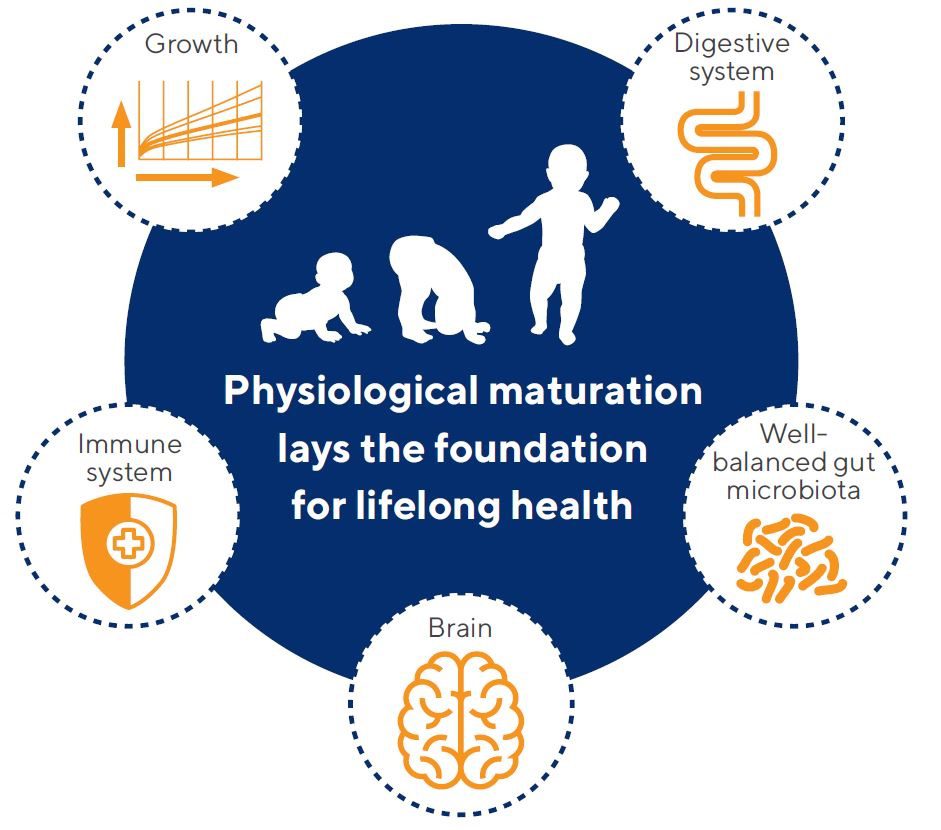
During childhood, the immune system continues to develop and learn to recognize pathogens. Nutrition plays a critical role in supporting immune function.
Key nutrients involved in immune health include:
-
Vitamin C – supports immune cell function
-
Vitamin D – regulates immune responses
-
Zinc – supports immune cell development
-
Probiotics and fiber – help support gut microbiome balance
Because a large portion of the immune system is connected to the gut, maintaining a healthy digestive system through balanced nutrition is particularly important for children.
5. The Developing Gut Microbiome

The gut microbiome—trillions of microorganisms living in the digestive system—plays an important role in digestion, immunity, and metabolic health.
In early life, the microbiome undergoes significant development influenced by:
-
Diet and food diversity
-
Environmental exposure
-
Lifestyle and sleep patterns
Nutrition during childhood can help shape microbial diversity, which may influence immune function, digestion, and metabolic health later in life.
Why Thoughtful Nutrition in Childhood Matters
Early nutritional patterns often shape lifelong dietary habits and health trajectories. Proper nourishment during childhood can support:
-
Healthy physical growth
-
Cognitive development
-
Immune resilience
-
Emotional and behavioral balance
-
Long-term metabolic health
Providing balanced, nutrient-dense foods during childhood helps establish a foundation for lifelong well-being.
Conclusion
Children’s bodies are constantly growing, adapting, and learning. Their nutritional needs reflect this remarkable developmental stage.
By recognizing that children require different nutritional support than adults, caregivers and health professionals can make more informed decisions about diet, supplementation, and overall wellness strategies.
Supporting childhood nutrition is not just about meeting daily dietary requirements—it is about nurturing the biological foundations of lifelong health.
Sources & Further Reading
-
World Health Organization (WHO) – Child Nutrition Guidelines
https://www.who.int -
UNICEF Early Childhood Nutrition Reports
https://www.unicef.org -
Georgieff, M. K. (2007). Nutrition and the developing brain. American Journal of Clinical Nutrition.
-
National Academies of Sciences – Dietary Reference Intakes for Children.
-
Black, R. E., et al. (2013). Maternal and Child Undernutrition and Overweight in Low-Income and Middle-Income Countries. The Lancet.
-
Institute of Medicine. Dietary Reference Intakes for Calcium, Vitamin D, and other nutrients.
Note - This article is intended for educational purposes and is not a substitute for professional medical advice.